
Choosing a POS is not only about the terminal itself. It is about making sure your shop can accept the payment methods customers already use every day. In this guide, we explain what to look for in a modern POS in Singapore and how to keep the decision simple.
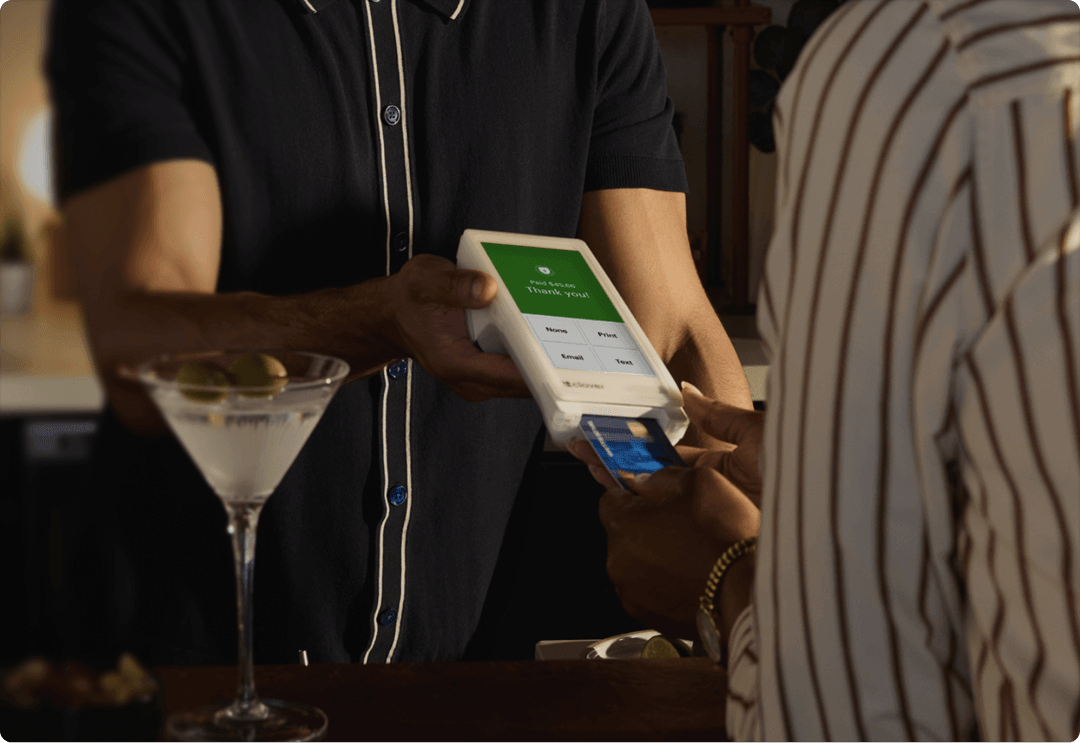
When opening a physical shop, many business owners ask a very simple question: what POS accepts the most payment methods?
The short answer is this:
A strong modern POS should accept the main card brands and mobile wallet payments your customers already use, while staying simple, reliable, and easy to manage.
For most small and medium-sized businesses, the goal is not to find the most complicated payment system. The goal is to find a POS that helps you accept payments easily, serve customers smoothly, and avoid problems at checkout.
Many people think this only means card payments. In practice, it means your POS should support the common ways customers pay in store.
That usually includes:
Customers do not all pay the same way. Some use a physical card. Some tap with their phone. Some international customers may use a card brand that smaller merchants do not always support.
A POS terminal that accepts more payment methods helps improve checkout speed, making your business feel easier to buy from and modern.
It is tempting to choose a POS based on how many payment logos appear on the page.
But that is only one part of the decision.

A good POS should do three things well.
That is why the best POS is usually the one that combines broad payment acceptance with clear pricing, reliable hardware, and strong support.
If you are new to payments, it is easy to focus only on the terminal itself. But the payment methods your POS supports affect several important parts of the customer experience.
Easier checkout
Customers want to pay fast. The more common payment methods you accept, the smoother the transaction feels.
Fewer lost sales
If a customer cannot pay the way they want, the sale can be delayed or lost.
Better fit for Singapore
Singapore serves both local and international customers. Supporting major global card brands is useful for businesses that welcome tourists, expats, and business travellers.
A more modern setup
A POS should not feel outdated when you first install it. It should already support the payment behaviour customers expect today.
There is no single terminal that is right for every business.
The best setup depends on how you serve customers and where you take payments.
A good provider should offer flexible options such as:
Payment acceptance is not only about software. It is also about using the right terminal in the right environment, when you’re on the go for a pop-up store or in established brick and mortar shop.

If you are comparing providers, these are some of the most useful questions to ask:
These are often more important than feature-heavy sales language. Most business owners want a solution that works every day and does not create extra friction.
The best answer is not simply “the one with the longest list.”
The right POS for most businesses in Singapore is one that supports the main global card brands and wallet payments customers already use, while also being reliable, simple, and suited to the business.
That is where Sambapay fits naturally.
Sambapay is built for Singapore SMEs and is positioned to support major payment methods including Visa, Mastercard, American Express, JCB, Apple Pay, and Google Pay, with modern terminals and payment infrastructure powered by Fiserv.
For a business owner opening a physical shop, that means you do not need to overcomplicate the choice. You need a POS that covers the payment methods people expect, fits your day-to-day operations, and gives you a clear and dependable setup from the start.
If you want to explore this further, this article can naturally connect to Sambapay pages about Terminals, Card Payments, Settlement, Pricing, and Industries.