
Opening a coffee shop means making many decisions fast, and your payment setup is one of them. In this guide, we explain what to look for in a POS for a coffee shop, what matters most in daily operations, and how to choose a solution that feels simple, reliable, and ready from day one.
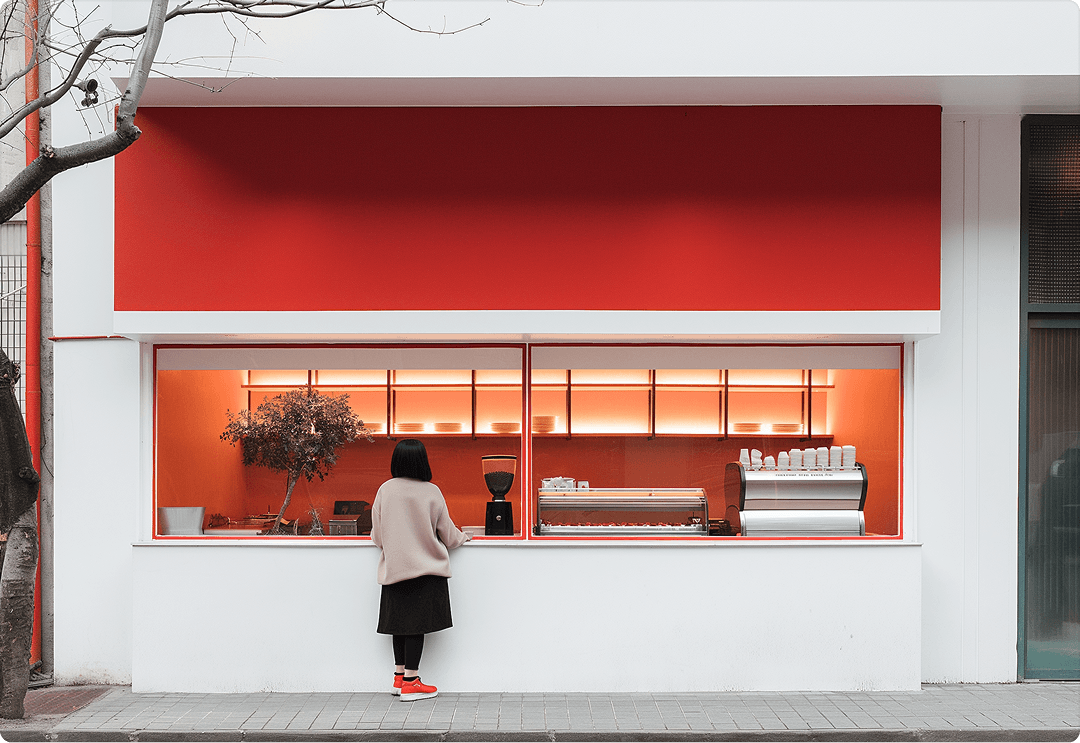
Opening a coffee shop in Singapore is exciting, but choosing the right payment setup can quickly become confusing. Many owners start by looking only at the card terminal. In reality, the best POS solution for a coffee shop is the one that fits your daily operations, your budget, and the way customers actually pay. In Sambapay’s positioning, the goal is simple, fast, and reliable card acceptance for modern SMEs, with clear pricing and flexible hardware rather than unnecessary complexity.
Many small business owners use the term POS to mean the payment terminal. But for a coffee shop, your POS setup often includes several parts: the card terminal, the checkout flow, payment acceptance, settlement, and in some cases the wider cash register or ordering system.
For a small coffee shop, you do not always need a heavy or complicated setup. What you need is a smooth way to accept payments, keep queues moving, and avoid payment problems during busy hours.
Coffee shops are high frequency businesses. The average transaction is not very large, but the number of transactions can be high, especially during morning rush and lunch hours. That means slow terminals, unstable connections, or awkward checkout steps can create real friction.
A good solution should process payments quickly and work reliably throughout the day. Sambapay positions itself around simple and dependable card acceptance, backed by a payment infrastructure that supports large scale payment processing globally.
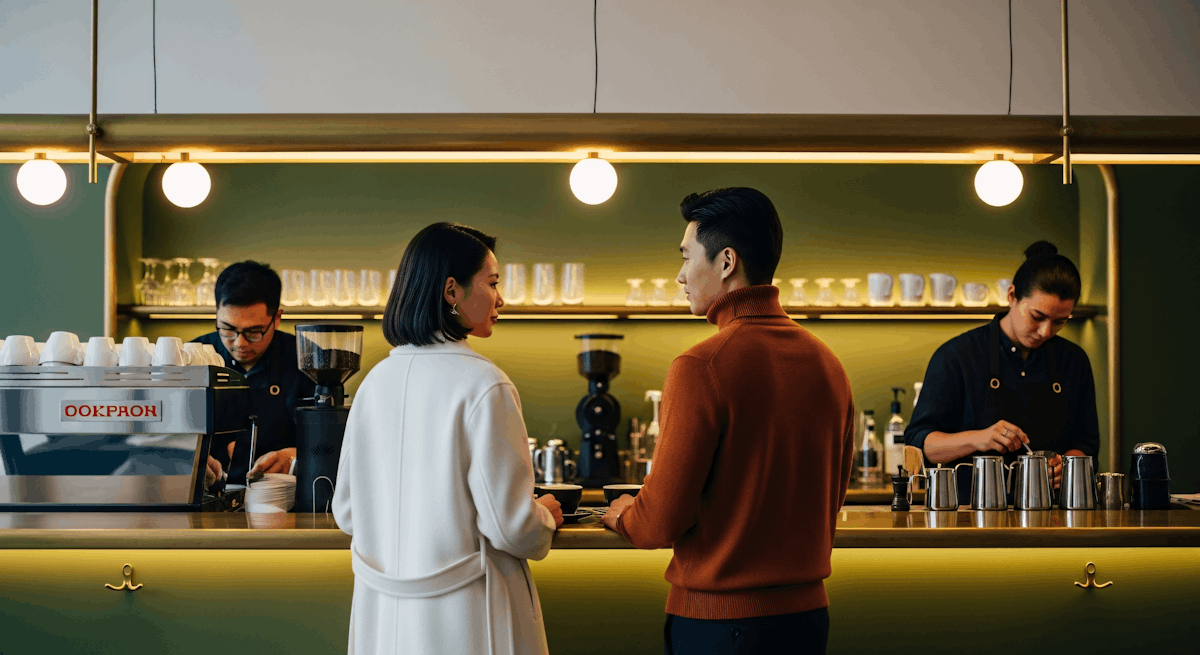
For many coffee shop owners, one of the biggest frustrations is not the payment itself. It is the fee structure.
Some providers make pricing hard to understand. You may see terminal rental, blended rates, extra charges, setup fees, or contract terms that are not obvious at first. Sambapay’s pricing philosophy is built around transparent and understandable pricing, with a goal to offer competitive blended rates for standard industries and avoid hidden layers or teaser rates.
When comparing providers, ask these questions:
If you cannot explain the pricing in one simple sentence, it may already be too complicated.
A coffee shop does not always need the same hardware as a restaurant or retail chain. Your setup depends on how customers order and pay.
A countertop terminal can work well for a fixed cashier area. A mobile terminal may be better if you want flexibility around the counter or table service. A smart Android terminal can also make sense if you want a more modern interface and broader POS options. Sambapay offers countertop devices, mobile terminals, and smart Android terminals, with the approach of matching the setup to the merchant rather than forcing one model.
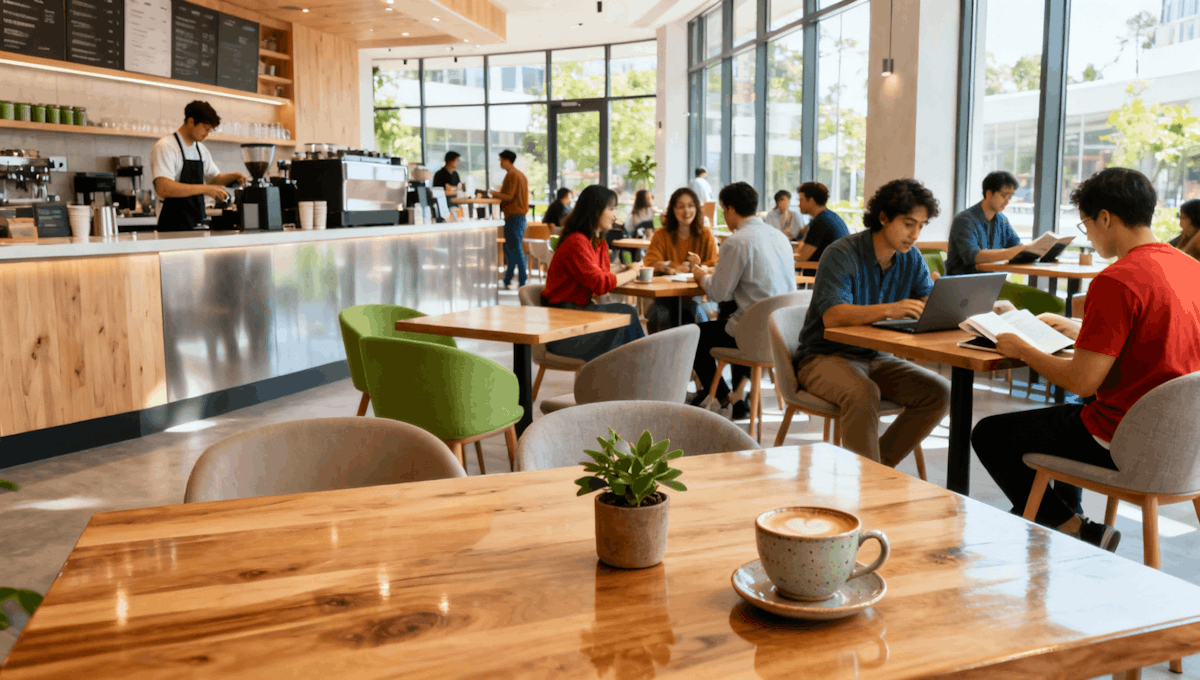
When payment issues happen, small shops do not want to deal with a corporate maze. They want a fast answer and a real person.
This is one of the areas where local focus matters. Sambapay positions itself around real human support, local team access, and a simpler merchant experience for Singapore SMEs.
Cashflow matters even more in a small food and beverage business. You buy stock often, manage staff costs, and need predictability.
Sambapay highlights fast settlement as part of its offer, noting that merchants should not have to wait longer than necessary to access funds from daily sales.
A lot of coffee shop owners make the same mistakes early on.
The first is choosing only on headline price. A low advertised rate does not always mean lower real cost.
The second is signing a rigid contract too quickly. If your business is new, flexibility matters.
The third is picking hardware that looks modern but does not fit your daily workflow.
The fourth is underestimating support. In a coffee shop, even a short payment issue during peak time can affect revenue and customer experience.
The best POS solution for a coffee shop is usually not the biggest or most complex one. It is the one that gives you:
That is why a modern SME focused provider can often be a better fit than older, more rigid acquiring setups.
Sambapay is built for everyday businesses in Singapore that want payments to just work. The company focuses on modern terminals, competitive and clear pricing, fast settlement, and local support, while running on payment infrastructure as an authorized ISO. It is positioned for SMEs such as cafés, restaurants, retail stores, clinics, salons, and service businesses.
For a coffee shop owner, that makes Sambapay relevant not because it tries to be flashy, but because it aims to remove common pain points. Less confusion, less rigidity, and a setup that feels more aligned with how small businesses actually operate.
The best POS solution for coffee shop in Singapore is usually one that combines fast payments, clear pricing, flexible hardware, and reliable support. Small coffee shops often benefit more from a simple and modern setup than from a large, complex system.
It depends on the provider and contract structure. Before agreeing, check whether terminal rental is included, how long the contract lasts, and what the total cost looks like over time.
Most coffee shops should be able to accept major card brands such as Visa, Mastercard, American Express, and JCB. Sambapay states support for major global card schemes and is built for Singapore SMEs.
Coffee shops deal with regular stock purchases and daily operating costs. Faster access to funds can make cashflow easier to manage.
No. Sambapay is positioned specifically for small and medium sized businesses in Singapore, including cafés and restaurants.